Gear for New Zealand Fly Fishing
When booking with Cadence we can provide a rod, reel, leader, tippet and flies for your day on the water but if you want to use your own gear here are our recommendations.
Rods
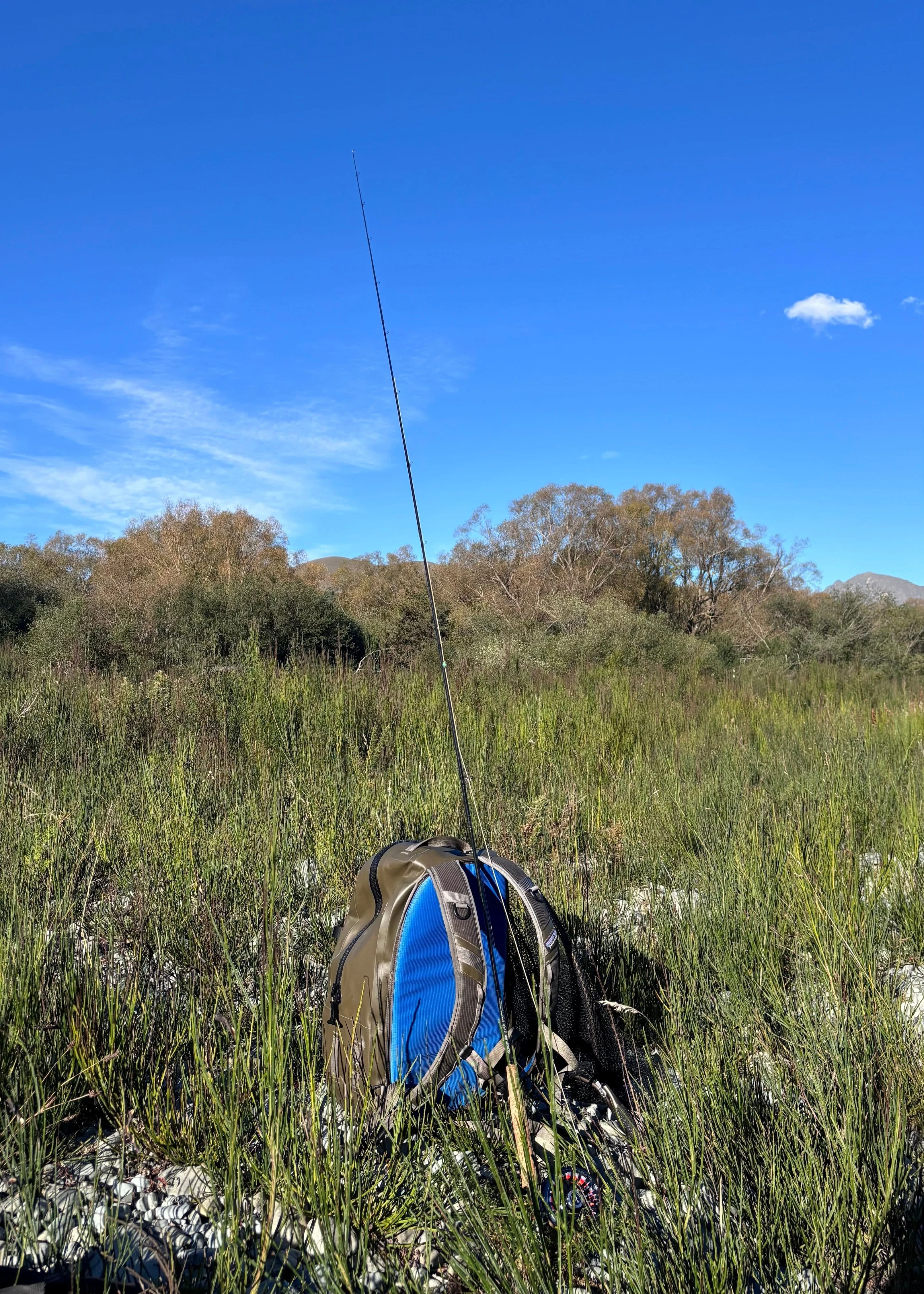
9 foot 5 or 6 weight rod - New Zealand fish are larger than in many other countries so a minimum of a 5 weight rod will help to ensure the fish is not overplayed and light tippets are protected. A 6 weight rod may be useful on our often windy days or for those extra conditioned back country trophy fish. A slow action 4 weight may be suitable on some small streams but a 5 weight is more versatile.
Fly line
Weight Forward Floating line. As most of our fishing is sight fishing, a weight foward floating line is adequate. Intermediate sinking lines can be useful for lake fishing but Cadence specialises in sight fishing on freestone streams.
Leaders and tippet
Fly fishing in the South Island is all about long leaders and light tippets. Our trout see a lot of anglers so to get the upper hand we need to delicately place our flies above the fish from some distance away. 18-20+ foot leaders are typical. 4 or 5x tippet is also common. Nylon or flurocarbon works, what is most important is that first cast.
Layers
The weather can be notoriously changeable in New Zealand so wearing and packing layers is crucial. A warm base layer, lighter second layer and a long sleeve light weight hoody is perfect. A down jacket plus a light weight rain jacket is essential for those days when the clouds roll in. We recommend merino, polyester, wool and gortex materials.
Wading boots and socks
Wet wading is favoured as we often cover many kilometres of river in search of fish. Leggings under shorts or light weight trekking trousers is ideal for easy movement. Waders may be worn on colder days early or late in the season or on larger rivers.
Wading staff
A handy accessory to help with balance when crossing slippery rivers or scrambling up and down river banks.
Flies
Brown trout predominate in the South Island and they can be fussy! Our guides will provide self tied flies for every situation but common patterns in natural tones such as pheasant tails and hare and coppers in a variety of weights are a fly box staple. Back country dry flies like blow flies and cicada's are also commonly used but sometimes a special pattern is required to deceive the most discerning of fish...